
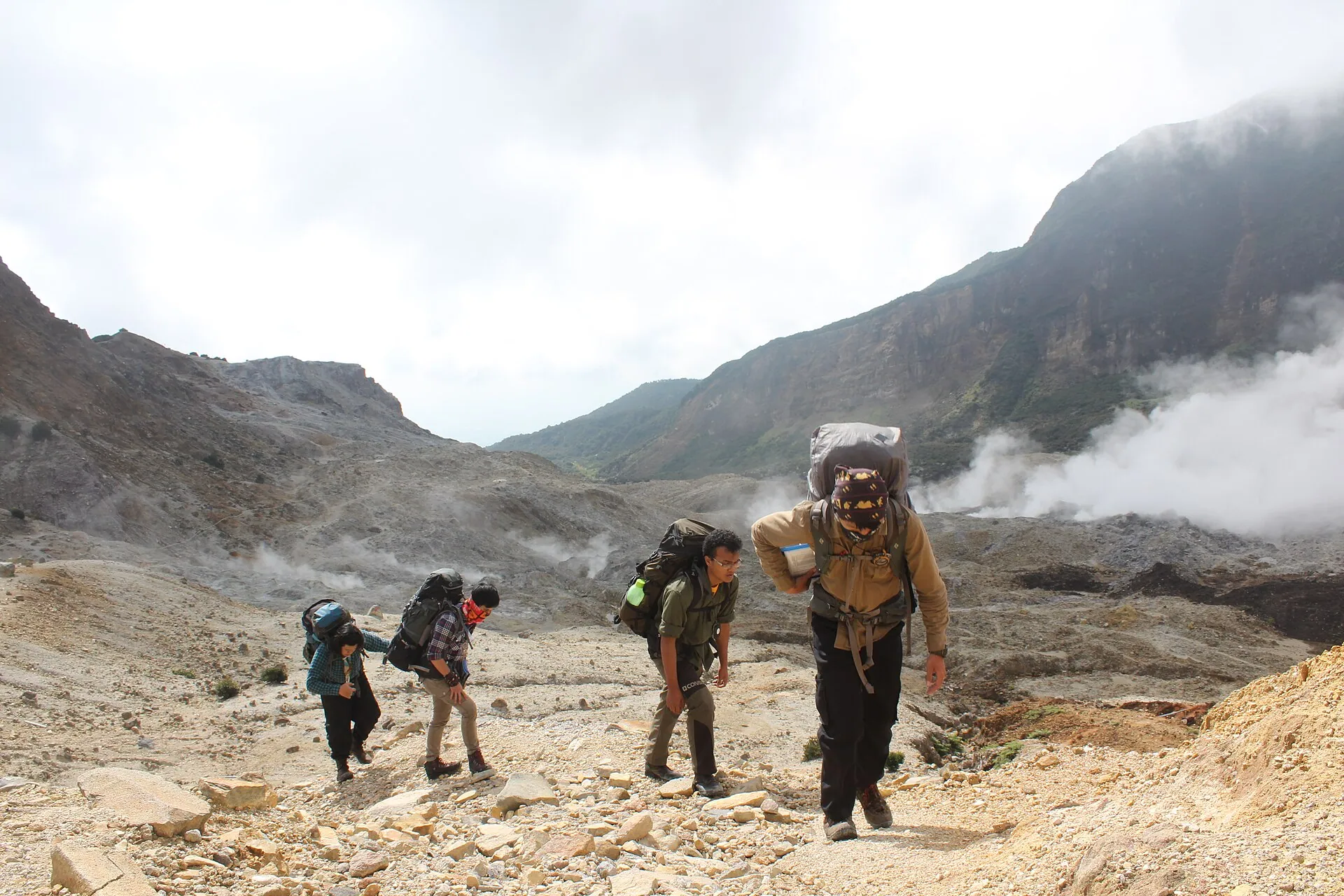
Most people fly into Java, do Jakarta, maybe Bandung, then head straight for Yogyakarta. Garut gets skipped. That’s a shame, because this Garut travel guide covers a town ringed by volcanoes, with steaming craters you can walk around, hot spring pools that cost less than a coffee back home, and a 1,000-year-old temple you reach on a bamboo raft.
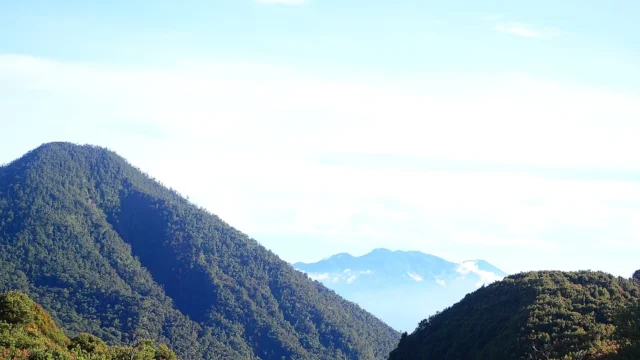
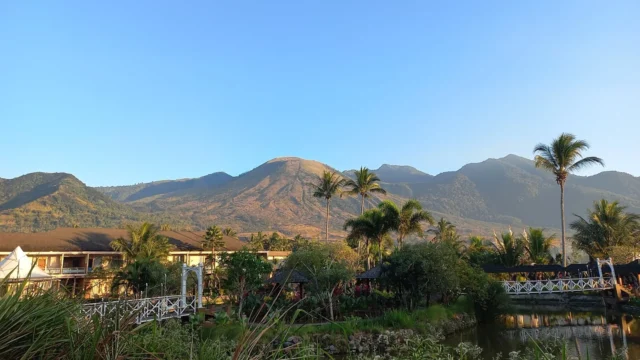
It’s also cool. Garut sits at around 700 metres, so evenings are fresh even in the dry season. Dutch planters called it the “Switzerland of Java”, and on a clear morning with Mount Cikuray behind the rice fields, you’ll see why the nickname stuck.
Last checked: November 2026. Prices and schedules change, so confirm before you go.
Garut at a glance
| Where | West Java, south-east of Bandung |
| From Bandung | About 2–3 hours by road, longer on weekends |
| From Jakarta | About 5–6 hours by train or car |
| How long to stay | 2 nights is the sweet spot, 3 if you want a hike and a lazy day |
| Best for | Volcanoes, hot springs, easy hikes, Sundanese culture |
| Language | Sundanese and Indonesian. English is limited outside hotels |
How to get to Garut
By train from Jakarta
The Cikuray train runs once a day each way between Jakarta’s Pasar Senen station and Garut. The trip takes roughly 5 hours 40 minutes and tickets are cheap, around IDR 45,000. At the time of writing, it leaves Garut early in the morning and Pasar Senen in the late afternoon, arriving in Garut close to midnight. The timetable has shifted a few times since the line reopened, so check the KAI Access app or kai.id before you book.
It’s an economy train, so don’t expect luxury. You do get mountain views on the last stretch, which is more than the toll road gives you.
By car or bus from Bandung
Most visitors come via Bandung. The road goes through Nagreg, which is fine on weekdays and a parking lot on long weekends and holidays. If you can, travel on a weekday morning.
Your options:
- Private car with driver: easiest, and you can stop wherever you like. Ask your hotel in Bandung for a quote.
- Bus: buses to Garut leave from Bandung’s terminals and drop you at Guntur terminal in Garut town.
- Ride-hailing: Grab and Gojek work in Garut town for short trips, but don’t count on finding one at a crater car park.
Getting around once you’re there
The best sights are spread out and public transport to them is patchy. Renting a car with a driver for the day is the least stressful way to do it. Scooter rental is possible if you’re confident on steep, wet mountain roads.
Things to do in Garut
Hike Mount Papandayan
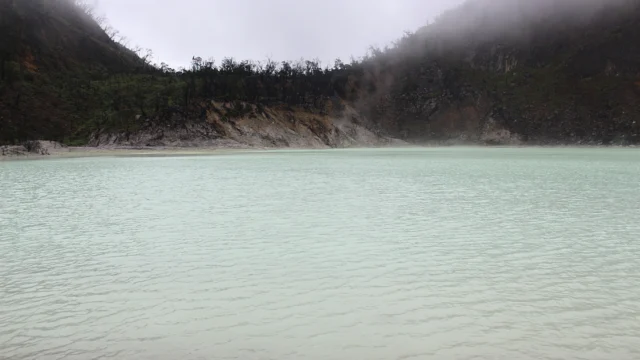
If you only do one thing, do this. Papandayan is an active volcano with a trail that’s friendly to first-timers: you walk past hissing sulphur vents and yellow-stained rocks, then up to Tegal Alun, a plateau covered in edelweiss. Most people reach the crater area in about an hour and the plateau in 2–4 hours.
- Start early. Clouds roll in by late morning and the views go with them.
- Bring a buff or mask for the sulphur smell near the vents.
- Foreigners pay more than locals. A 2026 report put the fee at around IDR 200,000 on weekdays and IDR 300,000 on weekends. Confirm at the gate.
You can also camp near the trail if you want sunrise without a 3 a.m. drive.
Soak in the Cipanas hot springs

Cipanas, at the foot of Mount Guntur, is a strip of hotels and bathhouses built around natural hot water. Many hotels pipe the water straight into private tubs in the rooms, which is exactly what you want after a hike. Day visitors can use public pools for a small fee.
Tip: the water is properly hot. Test it with your hand before you jump in.
Visit Candi Cangkuang and Kampung Pulo
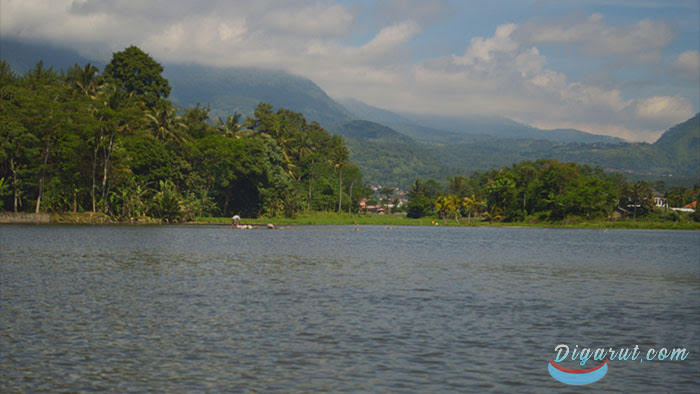
Candi Cangkuang is a small Hindu temple on an island in a lake near Leles, and it’s one of the few old temples in this part of Java. You cross on a bamboo raft, which takes a few minutes and is half the fun.
Next to the temple is Kampung Pulo, a tiny traditional village with strict customs. The number of houses has stayed the same for generations. Be respectful: dress modestly, ask before photographing people, and keep your voice down.
Walk around Kawah Kamojang
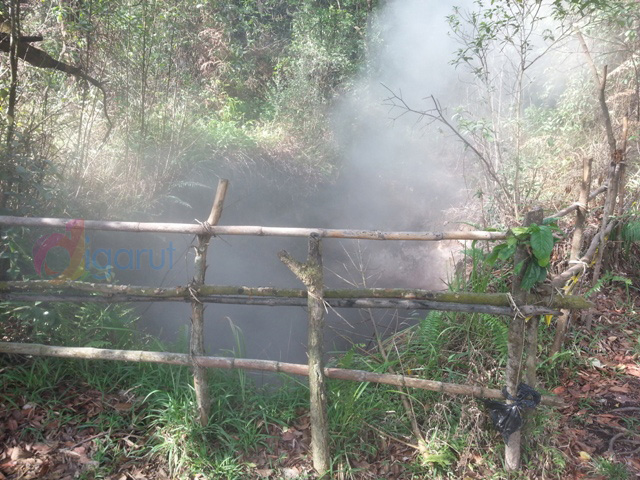
Kamojang is a geothermal area west of Garut where steam shoots out of the ground with a roar. It’s an easy stop, with short paths between the vents and hot springs nearby. You’ll also see pipes from the geothermal power plant, which is either fascinating or ugly depending on your mood.
Relax at Darajat
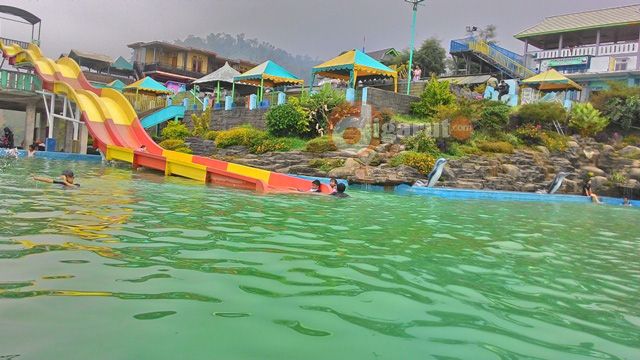
Darajat, on the slopes west of town, is known for warm spring-fed pools with mountain views. Some places, like Puncak Darajat, add water slides, so it’s a hit with kids. It’s also a nice spot to watch the sunset with your feet in warm water.
Head south to the coast (if you have time)
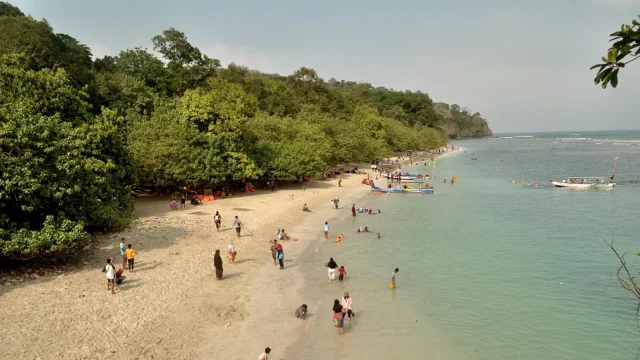
Southern Garut has a wild Indian Ocean coastline, with beaches like Santolo and Sayang Heulang. The drive is long and winding, so it’s a trip for a separate night, not a day add-on. The surf is strong; swim only where locals say it’s safe.
What to eat and buy
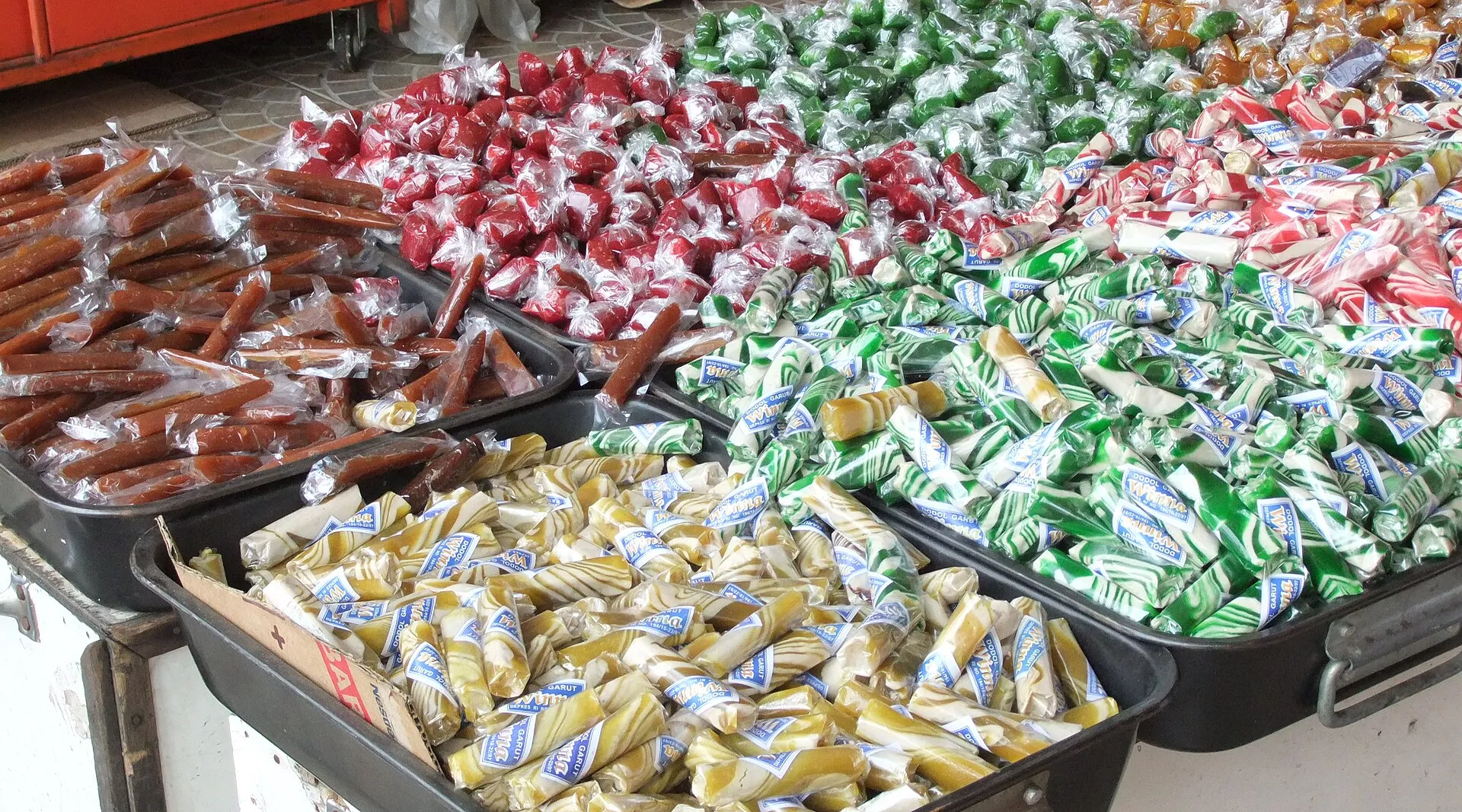
- Dodol Garut: a sticky sweet made from rice flour, coconut milk and palm sugar. It’s the classic souvenir.
- Chocodot: dodol wrapped in chocolate. Sounds odd, tastes great.
- Sundanese food: look for places serving nasi liwet, grilled fish and lalapan (fresh raw vegetables with sambal).
- Leather goods: Sukaregang is Garut’s leather district, with jackets, bags and shoes at prices well below what you’d pay in Jakarta.
Where to stay in Garut
- Cipanas: the most popular area. Lots of hotels, many with hot spring tubs in the room.
- Garut town: cheaper, closer to the train station and food, but no hot water views.
- Near Papandayan or Darajat: villas and glamping if you want quiet mornings and an early start.
Weekends and Indonesian school holidays get busy, so book ahead if your dates fall on one.
Best time to visit Garut
The dry season, roughly May to September, gives you the best chance of clear volcano views. The rainy season brings afternoon downpours and slippery trails, but also greener rice fields and fewer crowds. Try to avoid long weekends and the Eid holidays, when traffic from Bandung can double your travel time.
A simple 2-day Garut itinerary
Day 1: Arrive from Bandung by late morning. Visit Candi Cangkuang and Kampung Pulo on the way in, check in at Cipanas, and spend the evening in the hot springs.
Day 2: Leave early for Papandayan and hike to the crater and Tegal Alun. Have lunch, pick up dodol and chocodot, then head back to Bandung or stay another night.
Quick tips before you go
- Cash: ATMs are easy to find in town, but small stalls, parking and ticket booths often want cash.
- Clothes: bring a light jacket. Mornings at the craters can be chilly.
- Shoes: volcanic trails are loose and dusty, so wear shoes with grip.
- Respect: Garut is conservative. Cover shoulders and knees in villages and at religious sites.
- Your phone: if you’re bringing a phone from abroad, check our Indonesia travel tips about SIM cards and IMEI rules before you land.
Planning your arrival? Our Entering Indonesia section covers visas and customs, and the rest of our Indonesia destinations will help you fit Garut into a longer Java trip.
Been to Garut recently? Tell us what’s changed. That’s what this site is for.
Featured photo: hikers on the Mount Papandayan crater trail by Hugo Rio Aditya, via Wikimedia Commons, licensed under CC BY-SA 4.0.